iOS 27 Lets Two iPhones Share One Number From Monday. Only Two Carriers Are In, and T-Mobile Charges $5 a Month.
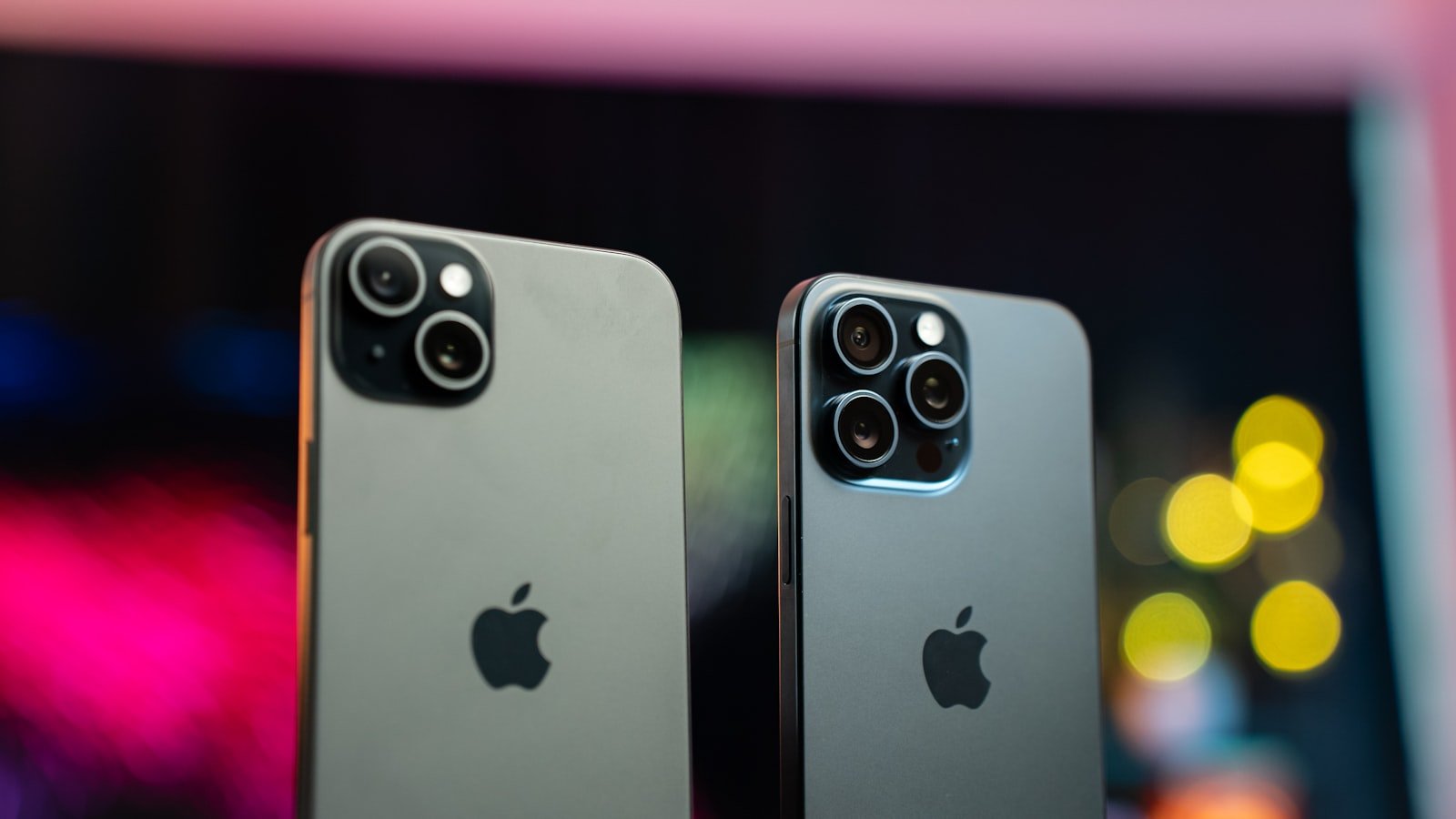
iPhone Handoff, a feature Apple listed on a WWDC slide in June and finally detailed after its 9 September event, designates one iPhone as main and one as secondary and moves a single phone number between them whenever you unlock the other device. iOS 27 ships on Monday 14 September. At launch, the feature works on exactly two carriers in the world, and the American one has put a price on it.
What Apple has now confirmed
iPhone Handoff lets you use the same phone number on two iPhones and swap between them as needed, Apple says. The feature was mentioned during Apple's event on Wednesday and in the press releases for the iPhone 18 Pro and the iPhone Duo, and Apple has since published a support document describing how it works. It first appeared in June, on a WWDC slide listing hundreds of iOS 27 changes, and was shown working on 2 September in a video posted by a MacRumors forum member using two simulated iPhones in Xcode 27.
The requirements are precise. You need two iPhones running iOS 27 or later, both connected to Wi-Fi, signed into the same Apple Account, with FaceTime, iMessage and Messages in iCloud turned on. And you need an eSIM from a carrier that supports the feature.
How it works day to day
Setup happens either while activating a new iPhone or later in the Settings app, under Cellular. One iPhone becomes the main iPhone, the one you use most, and the other becomes the secondary iPhone sharing the number. When you set up a new iPhone, you can make your current one the secondary device.
Switching is automatic. Unlock the iPhone you want to use, and the number becomes active on it; a message reading "Switched to this iPhone" confirms the change. Calls, voicemail, messages and Find My location follow the active device. A number is only ever active on one iPhone at a time, which settles the question the 2 September demonstration had left open: both phones do not ring at once.
Some things stay anchored. Carrier services such as call forwarding, caller ID and account management can only be handled from the main iPhone. Payment cards in Wallet and car keys work on both devices, but Apple warns that some Wallet items, such as transit passes, IDs or corporate badges, may only work on one iPhone at a time. And iPhone Handoff does not move your Apple Watch: the watch stays paired to the iPhone you chose, and Apple advises pairing it to the one you use most.
Dual SIM is supported, on one condition: both eSIMs must come from carriers that support iPhone Handoff. They are set up separately and then switch together when you unlock a device.
The name deserves a word. Handoff has existed in Apple's vocabulary since 2014, where it means picking up a document or a call on a nearby Mac or iPad. iPhone Handoff operates at a different layer: it is not about moving an app session between screens but about which physical handset your phone number currently answers on.
Two carriers, one price tag
This is where the feature stops being Apple's to give. At launch, iPhone Handoff will only be available on T-Mobile in the United States and Deutsche Telekom in Germany. Apple's own support page lists exactly those two, and says carrier fees may apply when enrolling.
T-Mobile is the only one of the two to have put a figure on it so far: 5 dollars a month, on top of the plan.
The reason the carrier sits in the middle is structural. A phone number is not an Apple asset; it lives in the operator's subscriber database, and provisioning a second eSIM that answers to the same number is something the operator has to build, support and, if it wishes, bill for. Apple ships the interface. The carrier grants the entitlement. The relationship has a precedent in cellular Apple Watch models, which have used a companion profile sharing the iPhone's number for years, with a rollout that proceeded carrier by carrier and, frequently, a monthly charge.
One detail from Apple's document deserves attention before signing up: once set up, iPhone Handoff stays active until you contact your carrier to turn it off. Deleting the eSIM from an iPhone is not enough, and Apple says the carrier may keep charging until the service is switched off on its side.
What this means outside the United States and Germany
For readers in France, the practical answer on Monday is simple: nothing changes. None of the French operators, Orange, SFR, Bouygues Telecom or Free Mobile, is on the launch list, and none has announced a date. The same is true for every other market outside the two named. Apple has not published a roadmap for additional carriers, and the pattern of past companion-eSIM features suggests expansion will come operator by operator rather than all at once.
That leaves the use cases waiting. The clearest is the work-and-personal pair: one number, two handsets, without a second line. Another is the upgrade window, where a new iPhone and an old one coexist for a few days. A third is the two-device pairing Apple's own lineup now invites, an iPhone Duo, due next month, alongside an iPhone 18 Pro, which is precisely the scenario Apple's support page describes as "weekday business or weekend adventures".
When to expect it
iOS 27 arrives on Monday 14 September for the iPhone 11 and later. The iPhone 18 Pro models follow on Friday 18 September. iPhone Handoff will be in the software everywhere, but functional only where the carrier has done its part.
If two iPhones on one number would change how you work, the useful step is to ask your operator whether it plans to support iPhone Handoff, and at what price. We covered in July the ways carriers already exert control over iPhones through financing locks; this is the same relationship seen from the other side, where the operator decides whether an Apple feature exists for you at all.
- iOS 27's 'iPhone Handoff' Feature Limited to T-Mobile and Deutsche Telekom at Launch — MacRumors, Juli Clover, 10 September 2026
- T-Mobile to Charge $5 a Month for iOS 27 iPhone Handoff — MacRumors, Juli Clover, 10 September 2026
- iOS 27 Introduces New 'iPhone Handoff' Feature — MacRumors, Joe Rossignol, 11 September 2026
- Set up iPhone Handoff — Apple Support, September 2026
- Apple Announces iOS 27 Release Date — MacRumors, Joe Rossignol, 9 September 2026
- iOS 27 Introduces New 'iPhone Handoff' Feature — MacRumors, Joe Rossignol, 2 September 2026
- Here's how iPhone Handoff will let you switch between two iPhone devices with the same phone number — MacRumors Forums, demonstration video, 2 September 2026
- Apple lists 250+ changes coming in iOS 27 and more — MacRumors, 10 June 2026