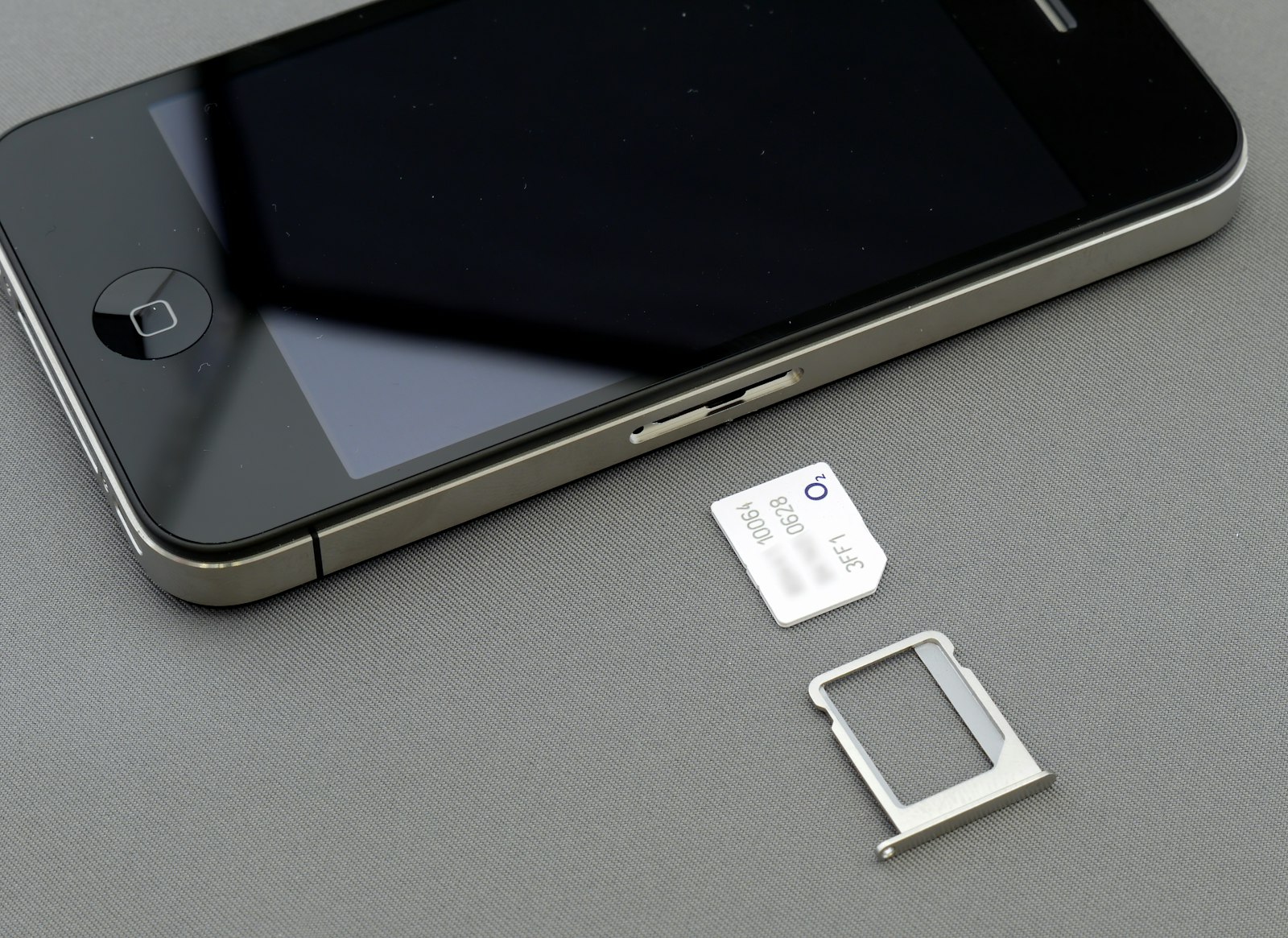
Apple closes the loophole that put an unlocked iPhone on a carrier payment plan
In the United States, iPhones financed through AT&T, T-Mobile, or Verizon at Apple are now locked to that carrier until the device is paid in full. Paying outright or using Apple Card Monthly Installments still delivers an unlocked phone.
Apple has changed the terms attached to carrier financing in its US stores. Until mid-July, customers choosing a T-Mobile Equipment Installment Plan or Verizon Device Payment Program could receive an iPhone that was unlocked from activation, even while the device balance was still being repaid. Apple’s updated language now places those plans alongside AT&T’s: the phone remains tied to the financing carrier until it is paid in full.
The practical effect goes beyond switching a primary line. A carrier-locked iPhone cannot normally activate a second carrier’s eSIM, which can make international travel less flexible. The rule concerns the network lock on the device; it does not erase the customer’s financing obligation, and promotional bill credits remain governed by each carrier’s own terms.
The change is specific to carrier financing in the United States. It should not be generalized to every iPhone sold by Apple or to carrier policies in other countries. Apple says an iPhone bought outright or financed through an Apple financing option is unlocked. The Apple Card Monthly Installments terms likewise state that an iPhone purchased through ACMI remains unlocked, although customers must select an eligible US carrier during checkout.
Apple has not publicly explained why it changed the policy. The safest conclusion is therefore limited to what the store terms establish: AT&T, T-Mobile, and Verizon financing now produce the same locking outcome at Apple, while non-carrier payment routes continue to offer an unlocked device.
Carrier locking is a legacy of how Americans have always bought phones. For decades the standard arrangement was a subsidized handset in exchange for a two-year service contract, with the SIM lock serving as the carrier's collateral. When the industry shifted to installment plans in the mid-2010s, the contract disappeared but the logic survived: the carrier is still fronting the cost of an expensive device, and the lock discourages a customer — or a fraudster — from taking the hardware and leaving. Financed phones bought directly from a carrier's own store have generally been locked on those grounds all along.
What made Apple's stores an exception was precisely the loophole now closed. Buying carrier-financed at Apple could combine a carrier's installment pricing with an unlocked device from day one — the best of both arrangements. Aligning the three major carriers' terms brings Apple's checkout into line with what those carriers already did in their own channels. Viewed that way, the surprise is less that the loophole closed than that it stayed open as long as it did.
US practice also comes with an established exit. Under the industry unlocking commitments adopted in the mid-2010s, carriers unlock devices once they are paid off and the account is in good standing, and each carrier publishes its own procedure and timing. A financed iPhone is therefore not locked forever — but the unlock generally arrives when the balance reaches zero, whether through monthly payments or an early payoff, and on the carrier's schedule rather than the customer's.
The eSIM era raises the stakes of that distinction. US iPhone models have shipped without a physical SIM tray since 2022, so adding a foreign carrier for a trip means activating an eSIM — exactly what a lock prevents. Travelers who once dropped a local SIM into an unlocked phone now depend entirely on the device's lock status, and a locked iPhone abroad is limited to whatever roaming arrangement the home carrier sells.
Checking where a given phone stands takes seconds: the About screen under Settings, General includes a Carrier Lock entry, and "No SIM restrictions" means the device is unlocked. For future purchases, the decision the new terms create is straightforward. Buyers who value flexibility — frequent travelers, line-switchers, people who resell their phones — should pay outright or use Apple's own financing, both of which Apple says still deliver an unlocked device. Buyers committed to one carrier for the life of the phone, particularly those collecting promotional bill credits that already assume a multi-year stay, give up comparatively little.
It is worth remembering, finally, that this is a distinctly American arrangement. Several countries restrict or prohibit SIM locking outright, and Apple's change applies to carrier financing in its US stores, not to the iPhone globally. The broader lesson does travel, though: the cheapest way to acquire a phone and the most flexible way to own one have rarely been the same option, and as of mid-July they sit further apart at Apple than they did.