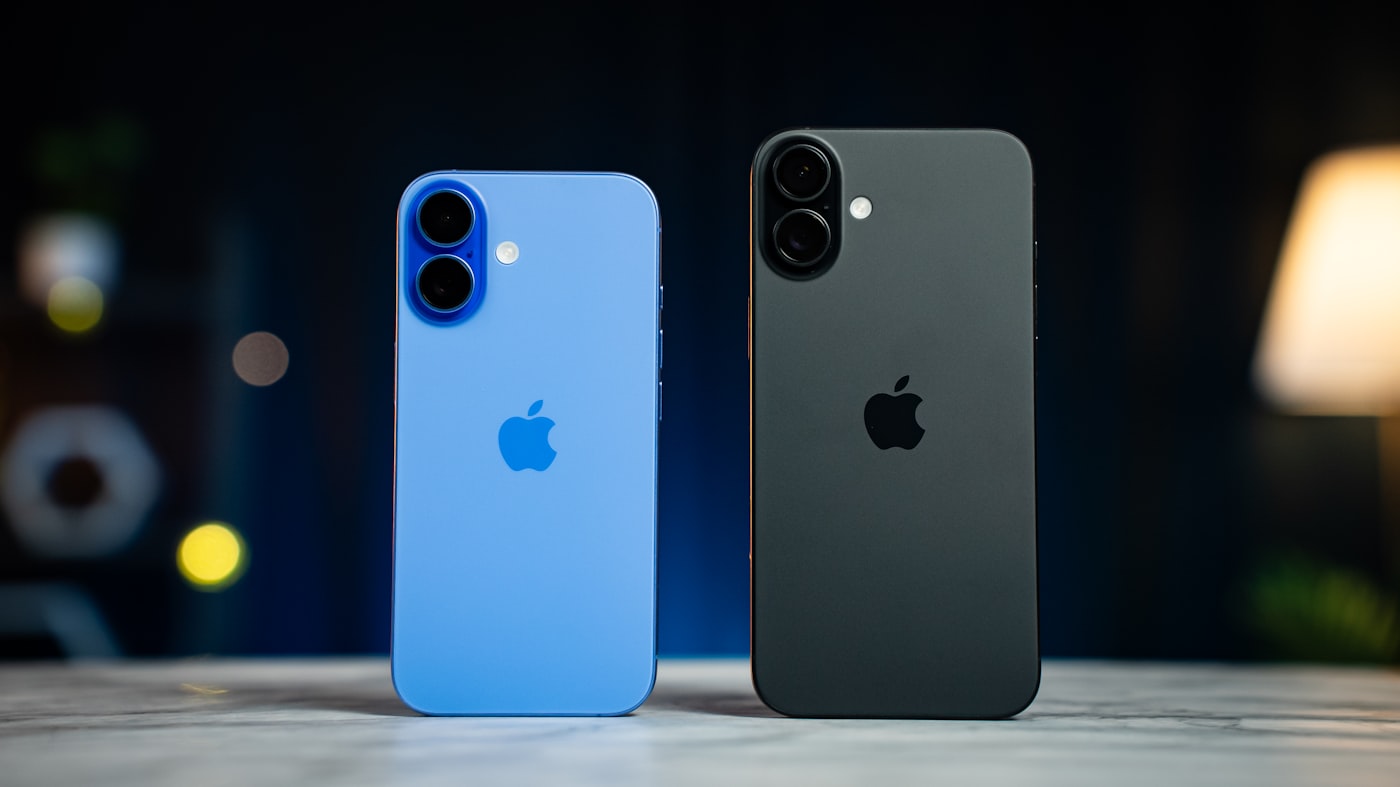
Unsplash — contextual photograph; the pictured product is not the unannounced variant discussed
Three in Four Americans Say They Do Not Want a Foldable iPhone. The Ones Who Do Would Pay $781.
Two weeks before Apple is expected to unveil its first folding phone, a survey of 2,605 US adults puts interest at 25 percent — and puts the average price those interested buyers have in mind at less than the cost of a standard iPhone. The gap between that figure and the rumoured price is the number worth looking at.
What the survey measured
CNET commissioned YouGov to poll 2,605 US adults online between 13 and 17 August. Seventy-five percent said they were not interested in buying a foldable Apple device. Interest was below a third in every age group: 83 percent of Boomers and 77 percent of Gen X said no, and so did 69 percent of Gen Z and 68 percent of millennials. Apple has not announced a folding iPhone, has not named it and has not priced it. The device widely reported to be arriving this autumn under the name iPhone Ultra is expected to sit above $2,000. That number is the one respondents were implicitly reacting to, and it is not Apple's.
The $781 is more interesting than the 75 percent
Indifference to an unreleased product is a soft signal. Willingness to pay is a harder one, and the survey produced a very specific figure: on average, US adults said they would spend $781 on a foldable iPhone. The standard iPhone 17 starts at $799. In other words, the market surveyed here does not price a folding phone as a phone plus a tablet. It prices it as a phone, and slightly below the current entry model at that. Even the most enthusiastic cohort stayed under four figures — Gen Z averaged $919, millennials $859, Gen X $690 and Boomers $572. If the rumoured price holds, the cheapest respondent group would be looking at a device costing more than three times what they say it is worth.
Why that does not necessarily doom the product
Stated preference and actual purchasing behaviour diverge routinely, and folding phones are a category where the divergence has been visible for years. Samsung has sold folding handsets since 2019, and after seven years on the market the format remains a small slice of global smartphone shipments rather than a mainstream one. A product can be commercially useful to Apple without 75 percent of American adults wanting it: the iPhone Pro Max line demonstrates every year that a premium tier only needs a minority of buyers to matter to revenue. What the survey does tell Apple is where the ceiling sits for volume. A first folding iPhone at $2,000-plus is a halo device — a demonstration of manufacturing, a lever on average selling price, and a reason for the press to spend two weeks on Apple in September. It is not a replacement for the model that sells tens of millions of units.
The line about upgrade plans is the bigger one
One figure in the same survey concerns everyone rather than a niche: 41 percent of US adults told the survey they are rethinking their upgrade plans because they expect prices to rise. Their intended responses split several ways — 9 percent said they would upgrade only if a trade-in or carrier promotion covered the cost, 5 percent are looking at an older or cheaper model, 4 percent at refurbished or used handsets, and 4 percent at switching brands altogether. Another 22 percent said they have no upgrade plans at all, from 16 percent of millennials to 27 percent of Boomers. That anxiety has a traceable cause. Apple raised prices across much of its line-up in June, pointing to the global memory shortage; iPhone, Apple Watch and AirPods were left alone at the time, and the iPhone 18 Pro range is widely expected to absorb the increase instead. The same shortage is the reason the Mac mini's entry price moved from $599 to $899 in the space of a summer.
What to watch on stage
Apple has not confirmed a date for its autumn event, though the calendar and Bloomberg's Mark Gurman both point to 9 September, as we set out last week. Three things in the presentation will say more than any survey. The first is where the folding model appears in the running order: opening the show frames it as the future of the iPhone, closing it frames it as a flagship curiosity. The second is whether Apple leads with a monthly financing figure rather than a purchase price, which is how a $2,000 device is sold to people who told a pollster they would pay $781. The third is trade-in. Nine percent of respondents said a trade-in or carrier deal would decide their upgrade; that is the single lever Apple controls entirely, and the one to watch when the pricing slide goes up.