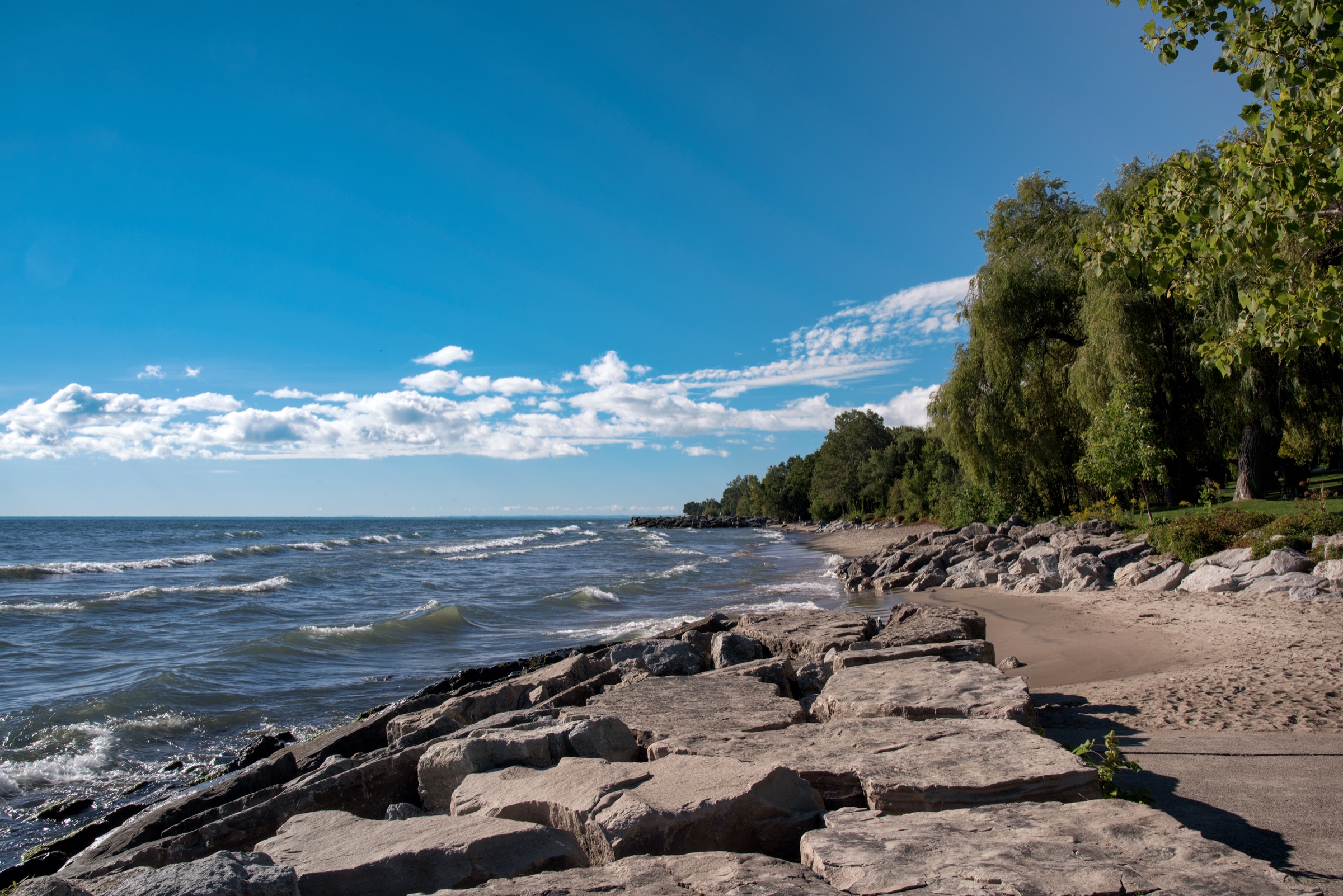
Joe deSousa, CC0, via Wikimedia Commons
Apple Maps Now Says ‘Lake America.’ Whether You See It Depends on One Setting
Apple Maps has begun replacing Lake Ontario with “Lake America” for users in the United States, while Canada keeps the traditional name. The rollout shows how regional settings, not physical location, determine what a map calls a shared landmark.
A change that arrived in pieces
Apple Maps users in the United States started seeing the new name on Tuesday, September 1, across iPhone, iPad and Mac, according to MacRumors. The rollout was not instantaneous. For several hours, the map still drew "Lake Ontario" across the water while tapping the lake returned a place card reading "Lake America." AppleInsider found the same split from the search field, where a query for "Lake America" surfaced the lake still carrying its older label.
That lag is ordinary for Apple Maps rather than a sign of hesitation. Place cards are served live from Apple's location database, while the names printed across the map itself are baked into cartographic tiles that are regenerated and pushed on their own schedule. Any renaming produces a window in which the two disagree.
The order, the database, then the maps
U.S. President Donald Trump signed an executive order last week renaming Lake Ontario as Lake America. The Geographic Names Information System — the federal gazetteer maintained by the U.S. Geological Survey, and the authority American mapmakers follow for domestic features — was updated with the new entry. Google Maps adopted it for U.S. users on Monday and published a post pointing to that database update as its reason. Apple followed the next day.
Neither company picked the name. Both consume an official government register and mirror it. That is the arrangement mapping providers have chosen deliberately: it keeps a commercial product out of the business of adjudicating what places are called. It also means that when a government changes an entry, the change propagates to hundreds of millions of screens without any editorial decision being taken along the way.
One lake, two naming authorities
Lake Ontario straddles the border. New York lies to the south, the province of Ontario to the north. The GNIS register governs names inside the United States and has no standing over Canadian territory, where the Geographical Names Board of Canada remains the naming authority and continues to recognise Lake Ontario.
A single body of water therefore now carries two official names, each valid up to an invisible line drawn through open water. Apple's answer is the one it built in February 2025, when the Gulf of Mexico became the Gulf of America under an earlier order: show the American name to American users, keep the existing name for users in the affected neighbouring country, and show both names, paired, to everyone else. Reusing that template meant this week's change required no new engineering — only a database read.
What actually decides the label you see
Not your physical location, and not the language your device is set to. Apple applies regional name variants according to the region configured on the device. An American traveller in Toronto sees Lake America; a Canadian visiting Rochester sees Lake Ontario.
That is worth knowing before anyone tries to switch the label by changing region. The region setting also governs the App Store storefront you are served, the payment methods Apple Pay will accept, and which features are available at all in a given country. It is not a cosmetic toggle. The more practical point is that search is indifferent: entering either name finds the lake, whichever label the map is drawing at the time.
A protest that reached the App Store charts
MapQuest declined to change the name, and MacRumors reported that the refusal pushed it to the top of the free iPhone chart — still the number one free app at the time of MacRumors' report on Tuesday. A mapping service that most people had filed away as a relic of the 2000s re-entered the charts on the strength of a naming decision.
The context matters for Apple. The renaming lands the same fortnight the company began showing advertising inside Maps in the United States and Canada, with no setting to turn it off. Apple spent a decade rebuilding the credibility of a product that launched badly in 2012. Two consecutive stories in which Maps changes without the user asking, and cannot be changed back by the user, are not the ones it would have chosen.
What Apple has not said
Apple has not issued a public statement about this specific change, has not commented on the executive order, and has not said whether other Great Lakes entries are under review. Axios reported on August 31 that Trump asked Apple directly to make the change in the Maps app, an account Interior Secretary Doug Burgum repeated in an interview the same day. Apple has not confirmed any contact.
The order arrived amid an escalating trade dispute, with the United States and Canada each announcing further tariffs. Whether the label ever reverts is a question for the register, not for Apple: if GNIS changes the entry back, the maps will follow within days, exactly as they did this week.