Apple's entry into the foldable smartphone category has been carefully planned and deliberately delayed, allowing competitors to pioneer the form factor while Apple refines the underlying technology. The iPhone Fold represents Apple's distinctive interpretation of foldable design, emphasizing reliability, durability, and seamless user experience over early-to-market positioning.
The book-style fold design opens like a book, expanding from a compact 5.5-inch pocket device into a tablet-like 7.8-inch workstation. This configuration provides optimal usability in both orientations—portrait for reading and communication, landscape for media consumption and productivity applications. The design choice reflects years of research into how users naturally interact with larger-screen devices.
The crease is where the leaks are most insistent, and where the wording matters. Reports describe a fold line reduced to roughly 0.15 mm in depth — near-invisible in normal use, not absent. Apple has neither confirmed the figure nor shown the panel. If it holds, it addresses the complaint owners of existing foldables raise first; until a device is in hand, it remains a claim from the display supply chain rather than a demonstrated result.
The closed form factor measures approximately 5.5 inches, compact enough to fit comfortably in shirt pockets and small bags. The open display expands to 7.8 inches, providing ample screen real estate for productivity tasks, video watching, and gaming. The transition between form factors is seamless, with iOS 27 intelligently adapting interfaces based on the device's current configuration.
Touch ID authentication represents Apple's choice for biometric security rather than Face ID. The reasoning likely stems from practical usability considerations—facial recognition requires the device to be open and facing the user, whereas Touch ID works seamlessly regardless of the device's orientation or display state. The integration of Touch ID into the physical button maintains tactile feedback users value.
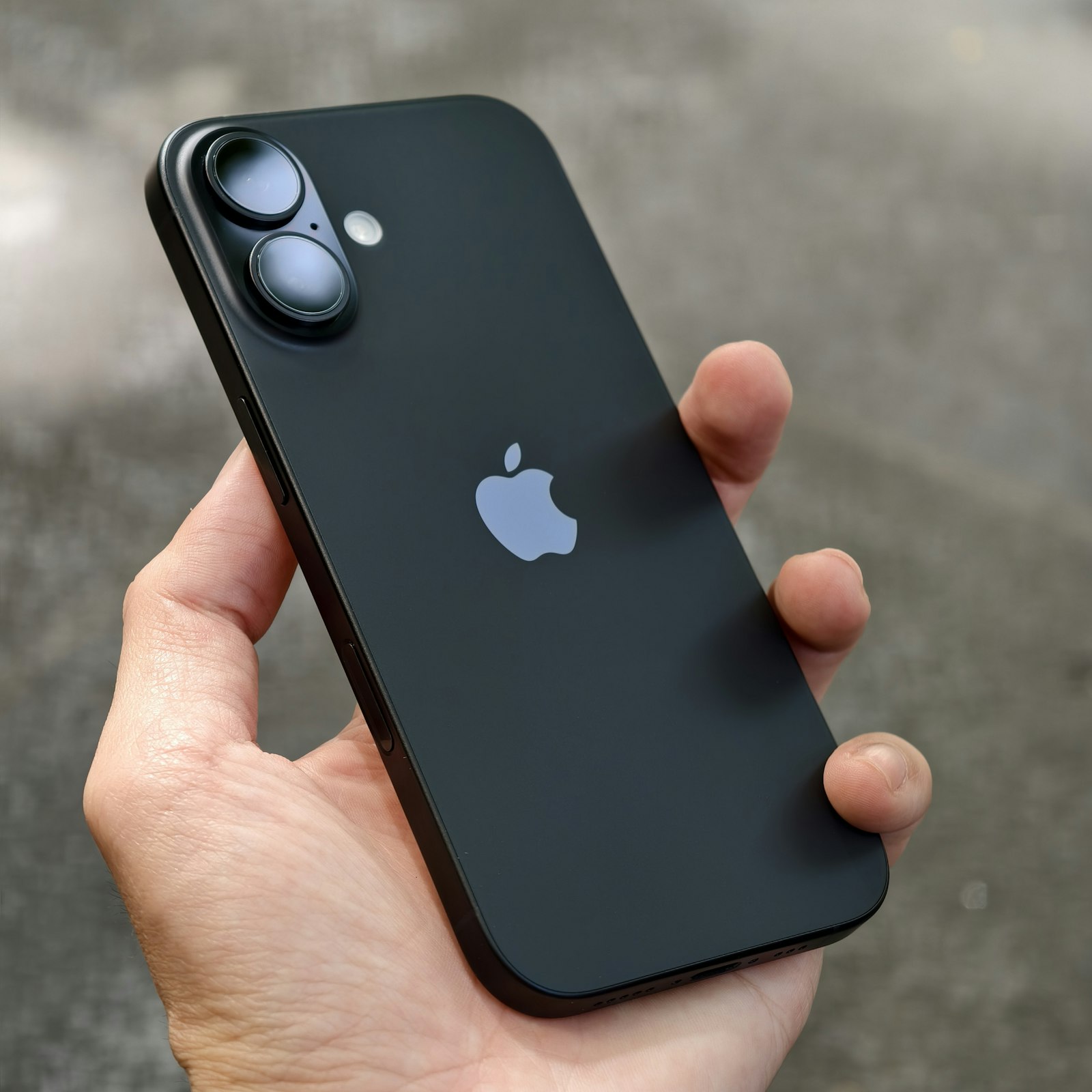
The rear camera system is reported as two modules rather than the traditional triple array. Apple's engineering focused on optimizing camera performance through advanced computational photography and AI-powered processing rather than adding more optical sensors. Whether that yields image quality matching Apple's own Pro line is untested — no reviewer has handled the device.
Leaks put battery capacity at 5,400-5,800 mAh, providing all-day battery life even with continuous use of the larger display. Advanced power management intelligently switches between displays based on usage patterns, extending battery life throughout the day. The thermal design distributes heat efficiently, preventing the performance throttling that other foldable devices experience under sustained load.
The 3D-printed hinge represents a breakthrough in manufacturing technology. Rather than using traditional mechanical components, Apple's hinge leverages advanced materials science and additive manufacturing to create a flexible joint that can withstand hundreds of thousands of fold cycles without degradation. This innovation directly addresses durability concerns that have plagued competing foldable devices.
Pricing expectations range from $2,000-$2,900, positioning the iPhone Fold as a premium device for users who value innovation and are willing to invest significantly in cutting-edge technology. The price reflects the substantial engineering investment, advanced materials, and complex manufacturing processes required to produce the device at scale.
A September launch alongside the iPhone 18 Pro would put the foldable in Apple's usual autumn slot rather than in a separate holiday window, aligning it with the cycle that already drives the company's strongest quarter and gift-giving occasions. The timing also allows months of advance software optimization to ensure iOS 27 is fully prepared for foldable device functionality by the product launch.
The iPhone Fold will fundamentally transform how users conceptualize portable computing. Rather than choosing between a compact phone for portability and a larger device for productivity, users can have both experiences in a single elegant package. This breakthrough will likely reshape the entire smartphone market as competitors rush to match Apple's foldable capabilities.
Industry analysts anticipate the iPhone Fold will be production-constrained at launch, with demand significantly exceeding supply. Pre-orders will likely sell out within hours, establishing the iPhone Fold as one of the most coveted products in technology history. Long-term supply stability will determine whether the device achieves mainstream adoption or remains a premium niche product.
The iPhone Fold represents the culmination of Apple's patient strategy in the foldable market, trading speed-to-market for technological superiority. The resulting device will likely set new standards for foldable smartphone design that competitors will spend years attempting to match.