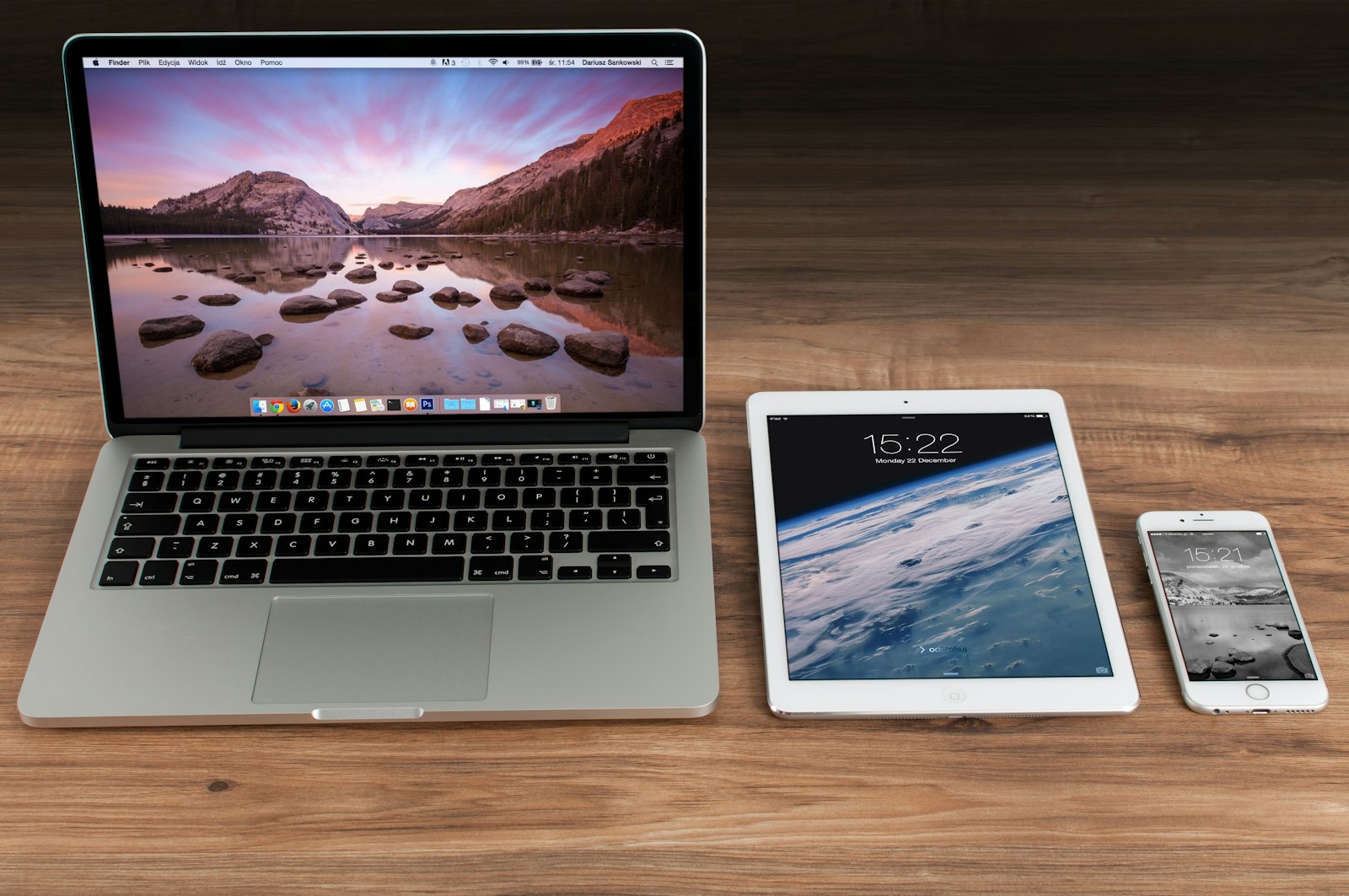
Apple Opens iOS 27, iPadOS 27, and macOS 27 Public Betas to Broader Testing
Apple has widened access to its next major software cycle, letting non-developers try iOS 27, iPadOS 27, and macOS 27 ahead of the fall rollout. The broader access does not make these builds risk-free.
Apple has opened the public beta phase of its next major software cycle, extending testing beyond registered developers. As of July 13, people enrolled in the Apple Beta Software Program can sign up compatible devices for iOS 27, iPadOS 27, and macOS 27 builds through the normal software-update settings.
That shift matters because it changes who can realistically try the new releases. A developer account is no longer the gatekeeper, so curious users can preview the upcoming interface changes and platform features months before the general release. The public builds still track unfinished software, however, and Apple continues to frame the program as pre-release testing rather than a recommendation for primary hardware.
The program itself is not new. Apple opened public beta testing with OS X Yosemite in 2014 and extended it to the iPhone the following year, creating a middle tier between internal builds and the finished release. The line between developer and public testing has blurred since 2023, when Apple stopped charging for developer beta access and moved enrollment into the Settings app for everyone. What still separates the two tracks is time: the public build is essentially the developer build after several weeks of fixes.
The calendar is equally routine. Apple has for years seeded the first developer beta at WWDC in June, opened public testing in July, and shipped the finished software in the fall alongside new iPhones. July availability is a scheduled milestone rather than a surprise, which is worth remembering when the arrival of a beta is written up as an event.
Apple’s guidance is practical rather than dramatic: enroll deliberately, back up first, and expect bugs. Apple’s support documentation also reminds testers that stepping off an iPhone or iPad beta before the public launch can require erasing the device and restoring it, which raises the cost of treating a beta like a casual update.
The single most useful precaution is also the one most often skipped. Before installing, make an archived local backup through Finder or iTunes rather than relying on iCloud alone, because a backup created on the newer system cannot be restored onto the older one. Testers who learn this after something has gone wrong generally find that the only clean route back is a wipe and a fresh start.
Mac users have an option their iPhone counterparts do not. macOS can be installed on a separate APFS volume or an external disk, leaving the stable system untouched and one restart away. On iPhone and iPad there is no equivalent: the beta replaces the operating system on the device, which is exactly why Apple’s uninstall documentation reads the way it does.
What to expect from an early build is fairly predictable. Battery life is usually worse in the first weeks while background indexing settles. Third-party applications may not yet be rebuilt against the new frameworks, and banking, authentication and workplace software are the categories most likely to break outright. Devices managed by an employer should be left alone entirely, and any phone that has to work while traveling is a poor candidate.
Enrollment also carries an implicit obligation. The point of the program is feedback, and Apple ships the Feedback Assistant app on beta systems for precisely that purpose. A report with reproduction steps and an attached diagnostic is worth considerably more to the release than a complaint posted elsewhere, and testers who file nothing are taking the risk without supplying the benefit.
Timing within the beta cycle matters as much as the decision to join it. The first public build is the roughest one that will be offered, while the versions released in the weeks before the fall launch are close to what everyone else will receive. Anyone tempted by the features but wary of the risk loses very little by waiting several rounds, and gains a good deal of stability by doing so.
That benefit is the real reason Apple widens the pool. No internal test lab can reproduce the variety of the installed base: aging hardware, carriers in dozens of countries, keyboard layouts, accessibility settings, and the sheer inventiveness of ordinary use. The public beta buys Apple test coverage it cannot manufacture, and the cost is carried by volunteers.
For Apple, the broader beta is the point where software polish moves from internal and developer feedback to real-world variety. For readers, the headline is simple: iOS 27-era software is now easier to try, but it is still early software and should be approached with the caution that label implies.