Vyacheslav Argenberg / Wikimedia Commons · CC BY 4.0

Apple Pay finally arrives in India, but the first wallet is deliberately narrow
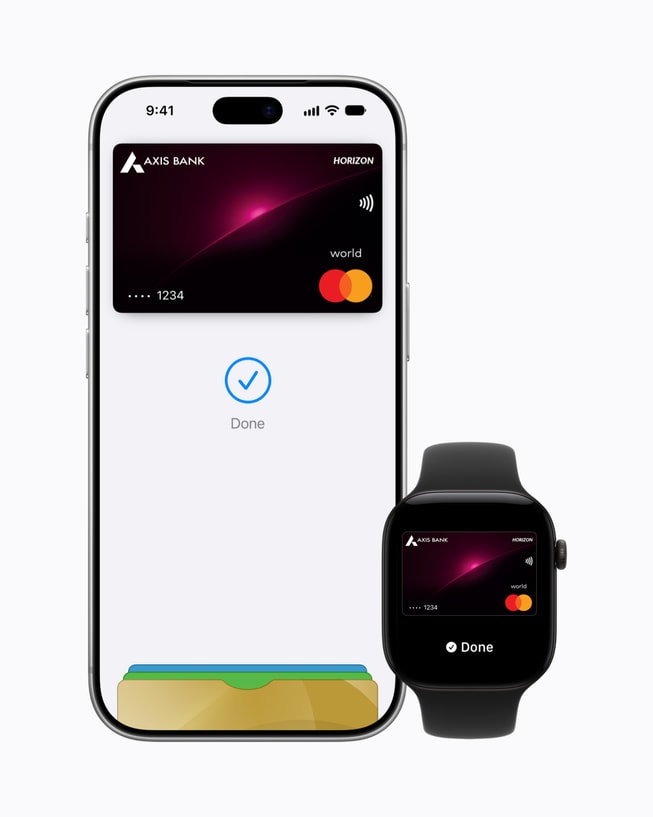
Apple Pay launched in India on September 30 with Axis Bank Visa and Mastercard credit cards, bringing contactless payments to iPhone, iPad and Apple Watch while leaving most banks and UPI outside the first rollout.
Apple Pay is now available in India. Apple and Axis Bank both announced the launch on September 30, ending years of waiting in a market where contactless card payments exist alongside a much larger account-to-account system called UPI. The launch is real, but its first shape is deliberately narrow: eligible Axis Bank credit cards on the Visa and Mastercard networks can be added to Apple Wallet, while other major Indian banks and RuPay are not part of the initial list.
A launch with a very specific first customer
At launch, Apple Pay works on iPhone, iPad and Apple Watch, with Mac support described as coming soon. Axis Bank says its Visa and Mastercard credit-card customers can add an eligible card either through the latest version of the bank’s mobile app or directly in Wallet. Apple’s own India page lists the same bank and card networks, which matters because “Apple Pay is available in India” does not mean that every Indian cardholder can use it.
The service is best understood as a payments layer added to one issuer’s existing cards, not as a new Indian payment network. A customer still needs a supported Axis Bank credit card, a compatible Apple device and a merchant whose terminal accepts contactless payments. Apple says the rollout covers millions of merchants, including Apple Store locations and named services such as Blinkit, Croma, Reliance brands, Tata 1mg and Zomato, but real-world acceptance can still vary by terminal, merchant configuration and card eligibility.
Why Apple Pay and UPI are not interchangeable
India is not an empty payments market waiting for a mobile wallet. UPI already handles instant transfers between bank accounts and is deeply integrated into everyday commerce. Apple Pay takes a different route: it tokenizes an eligible payment card and presents that card at a contactless terminal or inside a supported app and website. That distinction explains both the opportunity and the limitation. Apple can offer the same wallet experience familiar to users elsewhere, but it cannot automatically turn every UPI account into an Apple Pay card.
The first rollout also makes the competitive story more precise. This is not Apple replacing UPI, and it is not yet Apple competing across the full Indian banking system. It is Apple testing whether a private, device-centered card wallet can earn a place in a country where convenience often means scanning a QR code or sending money directly from a bank account. The answer will depend less on the announcement than on how quickly issuers, networks and merchants broaden the practical set of things a customer can do.
What Apple is promising about privacy
Apple’s explanation follows the same architecture used elsewhere. The actual card number is not stored on the device or Apple’s servers and is not shared with the merchant. Instead, a Device Account Number is encrypted and kept in the Secure Element. Apple also says it does not retain transaction information that can be tied to the user. Those are design claims from Apple, not an independent audit of the Indian launch, but they describe the privacy model customers are being asked to trust.
For shoppers, the immediate experience is familiar: double-click the side button or Home button, authenticate with Face ID, Touch ID or the device passcode, and hold the iPhone or Apple Watch near the reader. In apps and on the web, Apple says users can pay without repeatedly entering card, billing and shipping details. Rewards and benefits from the underlying Axis Bank card continue, so Apple Pay is an interface and tokenization service rather than a replacement for the credit relationship.
The practical limits to watch
The first limitation is coverage. Axis Bank is the only issuer listed on Apple’s India support page today, and only Visa and Mastercard credit cards are named. The second is device eligibility: Apple’s launch note requires iPhone XR or later with iOS 18 or later, or Apple Watch Series 6 or later with watchOS 11 or later paired with an iPhone XR or later. The third is timing: Mac support is promised as coming soon rather than available on day one.
That makes the launch important without making it complete. Apple has crossed the operational threshold that kept its wallet out of India for years, but the product still has to build a network around the first bank partnership. The next meaningful milestone will be additional issuers, broader card eligibility and evidence that merchants outside the named launch partners accept Apple Pay reliably. Until then, Indian users should read the announcement as an opening move, not as universal Apple Pay access.