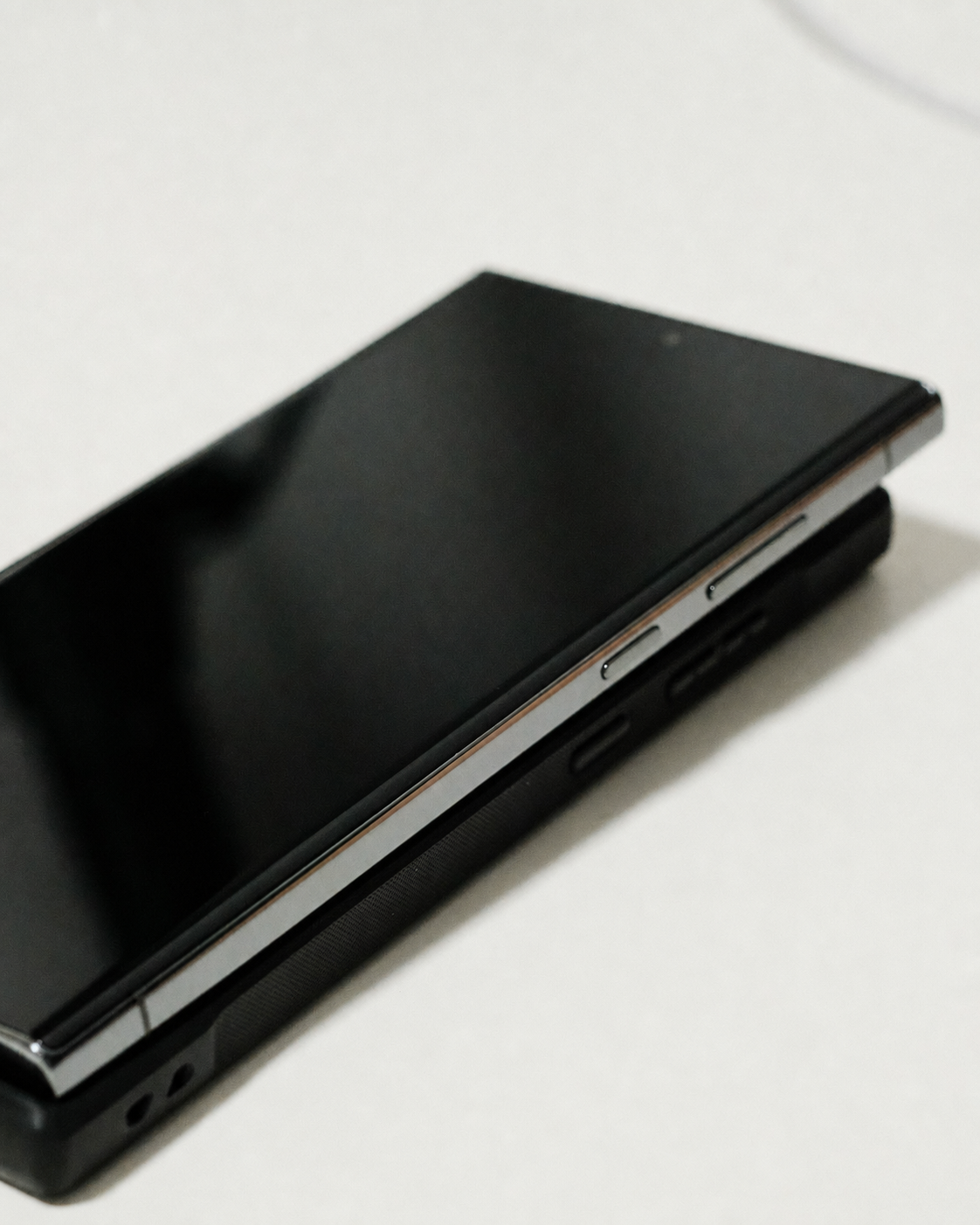
Conflicting Reports Leave Apple’s Foldable iPhone Timing Unsettled
Early April produced two credible but conflicting pictures of Apple’s first foldable iPhone: one pointing to engineering strain, the other to an internal target that had not yet slipped. The honest conclusion was caution, not certainty.
Apple’s foldable iPhone was one of the most fluid Apple stories of early April 2026, precisely because the reporting cut in opposite directions. Reuters, relaying Nikkei Asia, described engineering setbacks during the device’s test-production phase and warned that additional work could push mass production and shipment timing back by months.
The phrase “test production” is worth unpacking, because it is a specific stage rather than a vague one. Hardware of this kind moves through a ladder of validation builds — engineering, design, and production validation — in which small quantities are assembled on progressively more final tooling precisely so that problems surface before the ramp. Finding trouble there is normal; the cost is in what fixing it implies. A change late in that sequence can mean re-cutting tooling, requalifying a supplier, and re-running durability testing, and those steps are measured in months rather than weeks. That is why supply-chain reporting on setbacks at this stage is usually reporting on the calendar, not on whether a product exists.
The engineering itself is genuinely hard, and the industry has spent years demonstrating how. A folding phone has to survive tens of thousands of hinge cycles without the display creasing visibly or delaminating, keep dust out of a mechanism that opens and closes, use ultra-thin glass or plastic that bends without cracking, and split the battery, boards, and antennas across two halves while staying thin enough to pocket. Every one of those constraints fights the others. Samsung’s first Galaxy Fold was pulled back in 2019 after review units failed within days and relaunched months later with a redesigned hinge and display stack — the clearest public illustration of how a folding device can be finished on paper and not ready to ship.
Hours later, 9to5Mac relayed a Bloomberg report from Mark Gurman saying the project was still on track for Apple’s normal September launch window. Even that more optimistic account stopped short of certainty: the report said the schedule was not final and that the device’s complexity could still limit supply or shift exact timing.
Both accounts can be accurate at the same time, and understanding why is the most useful thing a reader can take from the week. Supply-chain reporting and Cupertino-sourced reporting look at different objects. The former sees component orders, yields, and factory schedules, which is where difficulty shows up first. The latter sees the plan of record, which by definition remains the plan until someone senior decides to change it. A September target can be entirely real inside Apple right up to the moment it is not, and neither vantage point can see the other’s evidence.
There is also a distinction the headlines tend to flatten: launching and shipping in volume are not the same event. A device introduced in September but constrained by low yields would reach far fewer buyers than the date alone suggests, with staggered country availability and long lead times. That outcome would satisfy the letter of an on-track report and still feel like a delay to anyone trying to buy one, which is a further reason to treat single-word verdicts about the calendar with suspicion.
That tension matters more than the most aggressive rumor detail. At this stage, the reliable takeaway was not that Apple had locked a date, nor that a 2027 delay was inevitable. It was that Apple appeared to be aiming high internally while still working through an unusually difficult engineering phase for an all-new form factor.
For OneMoreThing readers, the right frame in April was therefore a timing dispute, not a launch promise. Apple’s first foldable iPhone still looked like a plausible 2026 project, but the evidence available on April 9 did not justify writing as though the calendar had been settled by Apple itself.
It is worth remembering that Apple would be arriving late to a category that already exists. Folding phones have been on sale for years from Samsung, Huawei, Motorola, and Google, long enough for the format to acquire its own conventions and its own compromises. Arriving last has been Apple’s habitual position — the company was not first to portable music players, smartphones, tablets, smartwatches, or wireless earbuds — and it has generally been judged on whether it resolved the compromises rather than on whether it got there first. By that standard, an extra few months of engineering is not obviously the worse outcome.
For readers, none of this is actionable yet, which is itself the point. Launch-timing rumors are probabilistic claims about an internal schedule, and they are most reliable in aggregate and over time rather than in any single report. A more informative signal, historically, is the shift in what leaks: chatter about pricing, carrier readiness, and accessory tooling tends to arrive only once a launch window has firmed up, and none of that had surfaced in early April.
The open question, then, is not which April report was right but what would settle the matter. Apple has said nothing publicly about a foldable iPhone, and until it does, the only genuine evidence is the accumulation of supply-chain signals — component orders placed or not placed, tooling committed or not committed — read over months rather than hours. On April 9, that record supported a dispute about timing and nothing stronger.