Apple's next upgrade plan could lease your devices and lock them after missed payments
Reports say Apple may launch Apple Upgrade in the U.S. on July 28, while iOS 27 beta code points to a stricter financing system than today's Apple Card installments.
Bloomberg reported on July 21, in a story later relayed by Reuters and summarized by 9to5Mac, that Apple is preparing a new U.S. device-financing offer called Apple Upgrade. The reported July 28 launch would broaden monthly payments beyond the current iPhone-only program to cover most iPhone, iPad, Mac, and Apple Watch models, with Klarna backing the leases. Reuters added that Apple and Klarna did not immediately respond to requests for comment.
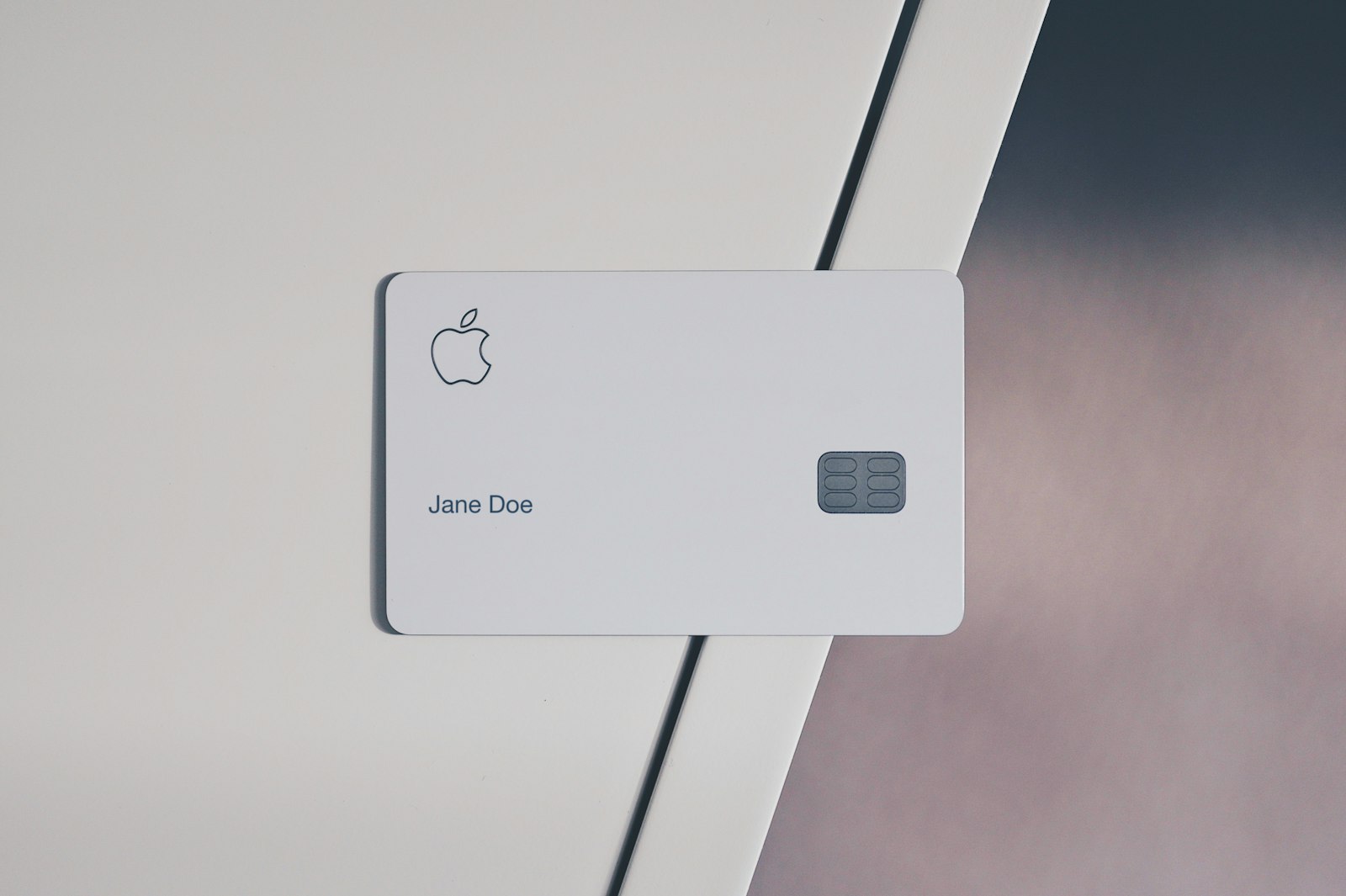
If that report is accurate, Apple Upgrade would be more than a marketing rename. Apple's current iPhone Upgrade Program is financed through Citizens One, applies only to iPhone, and includes AppleCare+ with Theft and Loss. Apple Card Monthly Installments are different again: they are a 0% APR purchase option rather than a lease, and Apple's support documentation updated on July 21 still says iPhones bought that way are always unlocked and can switch carriers at any time, subject to carrier terms.
The context explains why a rebrand would matter. For most of the iPhone's first decade in the United States, the handset was folded into a carrier contract: operators discounted the hardware and recovered the difference through two years of service fees. That unwound in the mid-2010s, when carriers replaced subsidies with equipment installment plans that separated the price of the phone from the price of the airtime. Apple's iPhone Upgrade Program, introduced in 2015, was the company's own answer — a bank-financed loan that let buyers deal with Apple instead of an operator.
Each step since has pushed Apple further into the credit business itself. Apple Card arrived in 2019 and brought interest-free monthly installments on Apple hardware with it. Apple Pay Later, the company's short-term buy-now-pay-later product, launched in the U.S. in 2023 and was retired the following year in favor of installment offers made by outside lenders inside Apple Pay. A Klarna-backed lease fits that trajectory: Apple keeps the customer relationship and the upgrade cadence while a partner carries the credit risk.
The more consequential clue came from iOS 27 beta code. 9to5Mac says Apple has built a framework called App Managed Features that could let a financing partner enroll an iPhone, monitor contract status, and place the device into a Restricted Mode when the account is no longer in good standing. The reported allowlist would preserve essentials like Phone, Settings, Wallet, Passwords, Health, and the App Store, while a separate Partner Finance Lock inside Find My would help keep the restriction in place after erase or restore.
The restriction framework is the genuinely new part, at least as a first-party feature. Remotely limiting a financed handset is not novel in itself — Android has shipped a device-lock mechanism for years, used by lenders in markets where unsecured phone credit is common, and carriers have locked subsidized handsets to their own networks for far longer. What the iOS 27 code would represent is Apple building that plumbing into its own operating system, with Find My as the backstop that survives a wipe.
That does not mean Apple will definitely ship device lockouts on July 28. 9to5Mac said it could not find the same code in the iOS 26.6 release candidate that Apple published on July 20, so the enforcement layer may arrive later, change before release, or remain internal for longer. The safest conclusion today is narrower: Apple appears to be testing infrastructure for a broader and more controlled financing model than the installment options it documents publicly right now.
The distinction between a lease and a loan is not semantic. Under an installment purchase the buyer owns the device outright and the lender's recourse is the ordinary credit machinery. Under a lease the hardware belongs to the financier until the term ends, which is what makes a software restriction coherent in the first place. If Apple Upgrade is a lease, as the reporting describes, the terms to look for are the ones that define ownership: the end-of-term options, any buyout price, and the condition a returned device must be in.
For readers, the practical boundary is still the official one. Apple's published U.S. terms continue to describe Apple Card Monthly Installments as unlocked financing and the iPhone Upgrade Program as a separate iPhone plan with bundled AppleCare+. Until Apple publishes Apple Upgrade terms on apple.com, every July 28 detail should be treated as reported, not confirmed.
Two other questions are worth holding on to until then. Whether AppleCare+ is bundled, as it is in the existing iPhone Upgrade Program, changes the real monthly cost of a plan. So does carrier unlocking: Apple Card installments are explicitly sold as unlocked, and a lease that behaved differently would be a meaningful step back for anyone who travels or switches operators. Nothing in the reported feature set answers either one.
The open question is reputational rather than technical. Apple has spent years selling the iPhone as a device its owner controls, down to the ability to erase it and start again. A finance lock that persists through a restore inverts that relationship for as long as payments are outstanding. Whether that reads as a fair condition of cheap credit or as an uncomfortable precedent will depend on how plainly Apple states it up front.
9to5Mac — Apple debuting new 'Apple Upgrade' leasing program next week, per report
9to5Mac — iOS 27 code suggests Apple could restrict leased devices after missed payments
Reuters — Apple to launch 'Upgrade' device leasing program to spur sales, Bloomberg News reports
Apple Support — How to view and pay Apple Card Monthly Installments
Apple — iPhone Upgrade Program
Apple Support — Products you can buy from Apple with Apple Card Monthly Installments