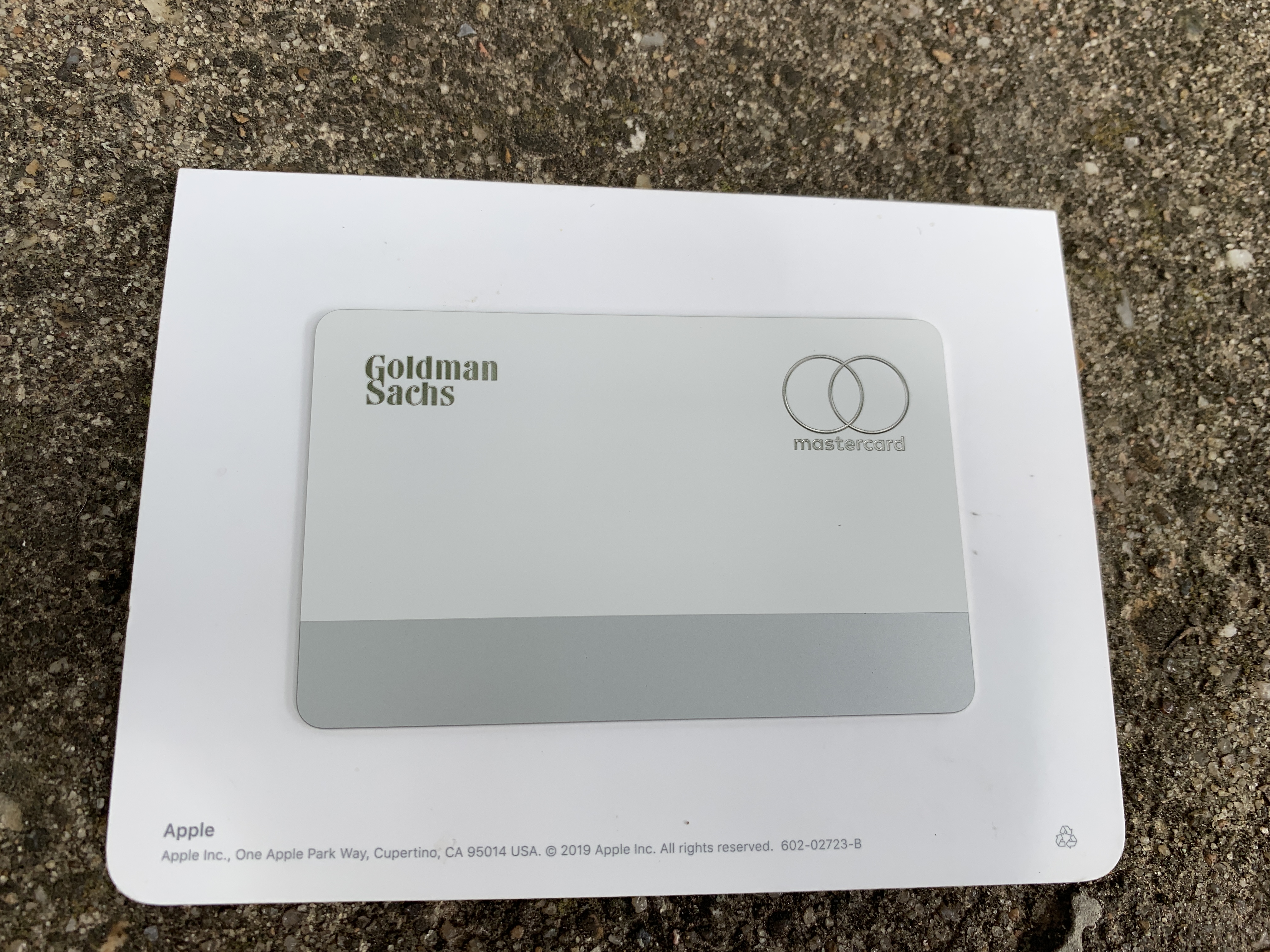
Unsplash — contextual photograph of an Apple Card issued by Goldman Sachs
Apple Card Turns Seven and Keeps Adding Perks. It Is Also About to Change Banks.
Apple Card has added a Booking.com perk, recurring-charge tracking in iOS 27 and web access to Savings while preparing to move from Goldman Sachs to Chase. The card remains a U.S.-only product.
The newest perk is a travel one. Apple has partnered with Booking.com to grant Apple Card holders "Genius Level 2" status after a single stay or car rental, together with 3% Daily Cash on Booking.com transactions. Apple describes Genius Level 2 as unlocking discounts of 10 to 15 percent on selected stays and rentals, along with free breakfast and room upgrades at participating properties.
It sits alongside the Hertz arrangement Apple added last year: free emergency roadside service, a discounted loss-damage waiver at $16.95 a day plus tax, a free additional driver at pickup, at least 5% off Pay Later base rates, and the same 3% Daily Cash on Hertz rentals.
Both follow the same pattern. Apple Card's headline rate is 3% at Apple and at a rotating list of partner merchants, 2% through Apple Pay and 1% on the physical card. Rather than raise the rate, Apple keeps widening the list of merchants where 3% applies — a cheaper way to make the card look competitive than lifting the base reward.
The iOS 27 feature that is actually useful
The software addition worth knowing about is Recurring, a new hub in the Wallet app reached from the three-dot menu in the top-right corner of the Apple Card view. It lists upcoming recurring charges with their expected date and amount, and offers a monthly calendar view of the same data.
Subscription tracking is not a new idea — banking apps and third-party services have offered it for years — but it lands differently inside Wallet, because the card's transaction history already lives there and needs no importing or scraping. The feature is in the iOS 27 betas today and should reach everyone when the update ships next month.
Savings comes to the browser
Apple Card's most persistent criticism has been that it lives inside an iPhone. Statements, disputes, credit-limit requests and payment scheduling all originated in the Wallet app — awkward if your phone is lost, broken, or simply not the device you bank on.
Apple has chipped away at that since 2020, when card management first appeared on the web. In May of this year it extended web access to the Apple Card Savings Account, so balances and transfers can be handled in a browser. Parity with an ordinary bank's website is not there yet, but the direction is clear.
The same instinct runs through the redesigned payment sheet coming in iOS 27, which surfaces card balances and rewards at the moment of payment rather than leaving them buried in an app.
The change that overshadows all of it
None of these additions matter as much as the one structural fact hanging over the card. On January 7, 2026, Apple and JPMorgan Chase announced that Chase would become the issuer of Apple Card, taking over from Goldman Sachs. Goldman said in its own release that the transition is expected to take approximately 24 months, and that it will continue to run the program until then. Chase said the deal brings more than $20 billion in card balances across.
Apple has said the card stays on the Mastercard network and that cardholders can keep using it normally through the handover. What has not been detailed is everything underneath: how Daily Cash will be funded, whether the Savings Account survives in its current form, what happens to the 0% installment plans on Apple hardware, and which terms Chase intends to keep.
Why Goldman is leaving
Goldman Sachs entered consumer banking with Apple Card as its flagship product and exited the category with it. The partnership drew a regulatory penalty in October 2024, when the Consumer Financial Protection Bureau ordered the two companies to pay more than $89 million over Apple Card practices: Goldman was assessed $19.8 million in customer redress and a $45 million civil penalty, and Apple a $25 million penalty, over mishandled transaction disputes and misleading communication about interest-free payment options.
The financial disclosure around the Chase deal tells the rest of the story. Goldman said the transaction would add $0.46 per share to its fourth-quarter 2025 results, reflecting the release of $2.48 billion in loan-loss reserves against a $2.26 billion reduction in net revenues from portfolio markdowns and contract termination costs. That is the accounting of an exit, not an expansion.
What cardholders should do now
Nothing, for the moment. Existing accounts, statements and Daily Cash continue as they are, and Apple has committed to that continuity during the transition. Two habits are worth adopting anyway. Watch for issuer notices in the Wallet app and by mail, because a change of issuer normally comes with a new cardholder agreement that you receive rather than negotiate. And if you carry a balance, note the APR terms you are on today, to compare them with whatever Chase proposes.
For a card whose selling point has always been that it disappears into the iPhone, the coming two years test what happens when the bank behind it changes and the interface does not.